
Iran Announces Maritime Shipping Agreement with Oman for Strait of Hormuz
Tehran says a formal agreement on navigation through the vital oil transit route is in its final stages.
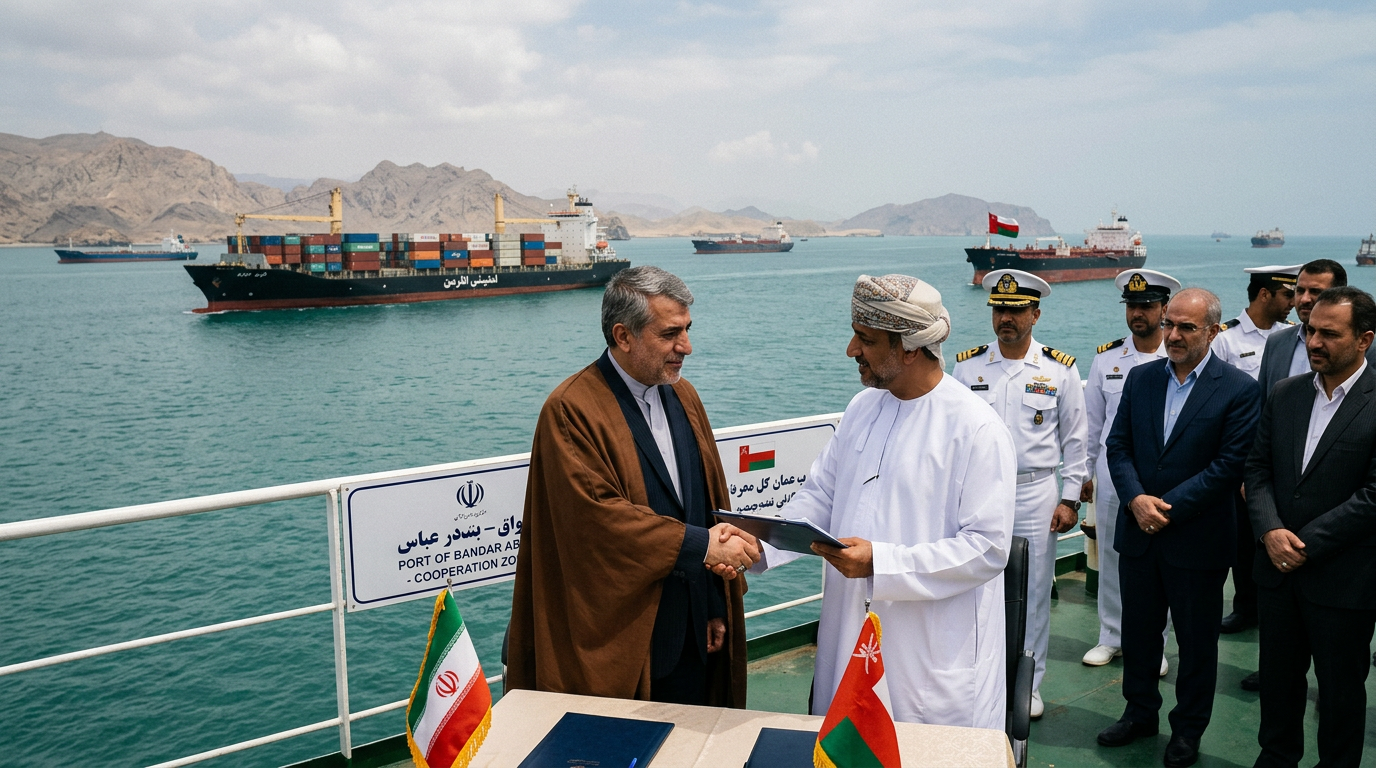
Iran has announced it is finalizing a maritime shipping agreement with Oman covering navigation through the Strait of Hormuz, a critical chokepoint for global energy supplies. The announcement by the Iranian foreign ministry spokesman signals potential cooperation with its neighboring Gulf state to address maritime security and commercial traffic regulations in the vital waterway.
Main Story
The Iranian Ministry of Foreign Affairs stated that bilateral discussions with Oman regarding maritime transit and shipping corridors through the Strait of Hormuz have reached their final stages. While specific operational details and technical protocols remain undisclosed, officials confirmed that both nations have established a mutual framework aimed at regulating maritime traffic and enhancing navigational coordination.
The Strait of Hormuz, located between Iran to the north and Oman and the United Arab Emirates to the south, is one of the world's most vital maritime choke points. Approximately one-fifth of the world's petroleum passes through this narrow stretch of water daily, making any regulatory or security adjustments highly influential on global oil markets and international maritime trade.
Background
Relations between Tehran and Muscat have historically been grounded in diplomatic dialogue and pragmatic regional cooperation. Oman has frequently served as a neutral mediator between Iran and Western powers, as well as among fellow members of the Gulf Cooperation Council (GCC).
In recent years, the Strait of Hormuz has seen heightened tensions, including incidents involving commercial tanker seizures, military exercises, and international naval patrols. Iran's efforts to codify shipping routes with Oman reflect a strategic push to assert regional oversight of the waterway while maintaining stable diplomatic relations with its southern neighbor.
Timeline
- May 2023: Iran and Oman sign preliminary maritime cooperation agreements during diplomatic meetings in Muscat.
- Early 2024–2025: Tensions in regional sea lanes prompt renewed bilateral dialogue on Persian Gulf and Gulf of Oman security.
- August 2026: Iranian Foreign Ministry confirms a detailed Strait of Hormuz shipping route agreement with Oman is in the final stages.
Key Facts
- Strategic Importance: The Strait of Hormuz carries roughly 20% of total global petroleum consumption and significant volumes of liquefied natural gas.
- Geographic Proximity: At its narrowest point, the strait spans just 21 nautical miles (39 kilometers), with shipping lanes situated within Omani and Iranian territorial waters.
- Oman's Diplomatic Role: Oman maintains a policy of non-alignment and diplomatic engagement with Iran while maintaining strong security partnerships with Western and Arab nations.
Latest Developments
Iranian foreign ministry representatives confirmed that final legal and technical reviews are underway before the formal signing of the agreement. Diplomatic sources indicate that the framework focuses on traffic separation schemes, environmental protections, and search-and-rescue protocols within shared and adjacent waters.
Regional shipping operators and international maritime bodies are reviewing the announcement to gauge potential impacts on commercial transit rights and safety protocols in the Persian Gulf region.
What's Next
Official signing ceremonies are expected to follow once final administrative clearances are completed by both governments. International maritime authorities will closely monitor the finalized text to ensure compliance with international maritime law and shipping guidelines.
FAQ
What is the significance of the Strait of Hormuz?
The Strait of Hormuz is the world's primary maritime energy corridor, connecting Persian Gulf oil producers with global markets in Asia, Europe, and North America.
Why is Oman involved in the agreement?
Oman controls the southern portion of the strait, including critical inbound and outbound traffic lanes used by commercial shipping tankers.
Conclusion
The agreement between Iran and Oman represents a key diplomatic development in managing navigation through the Strait of Hormuz. As Tehran and Muscat move toward formalizing their shipping protocol, international energy markets and shipping fleets will monitor the implementation to ensure uninterrupted trade flow.